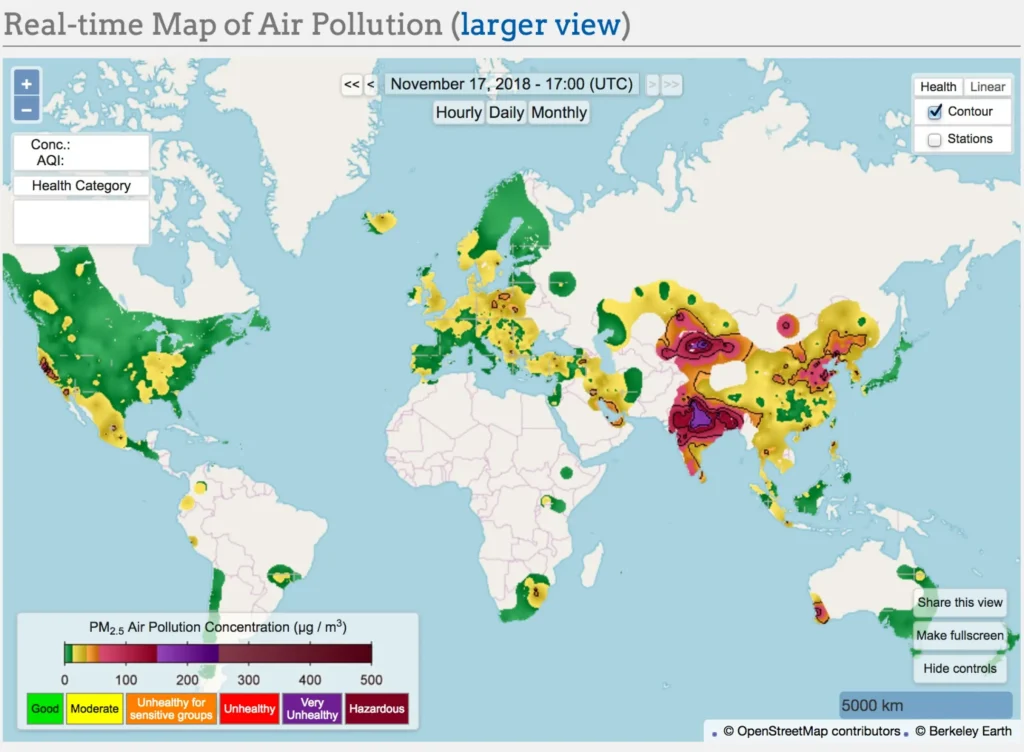
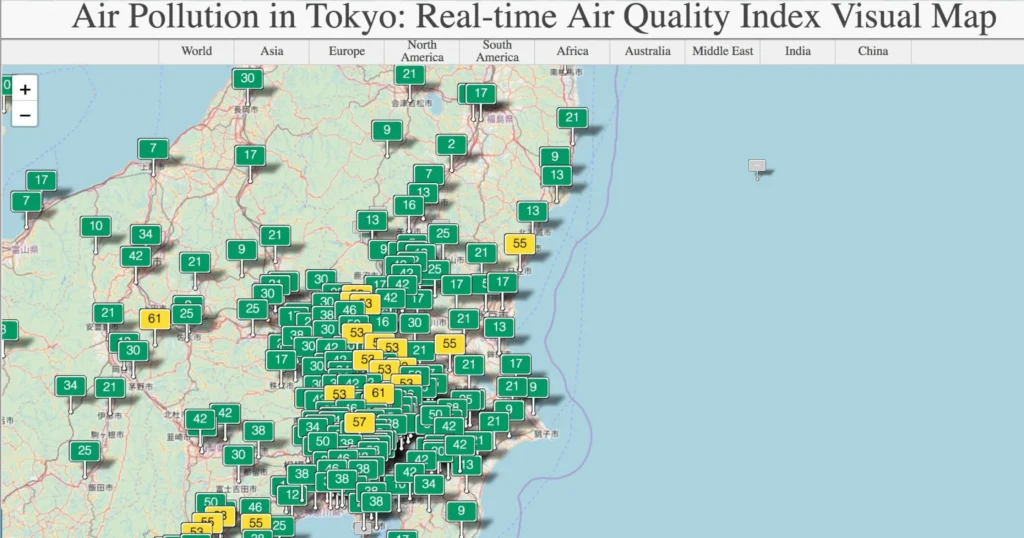
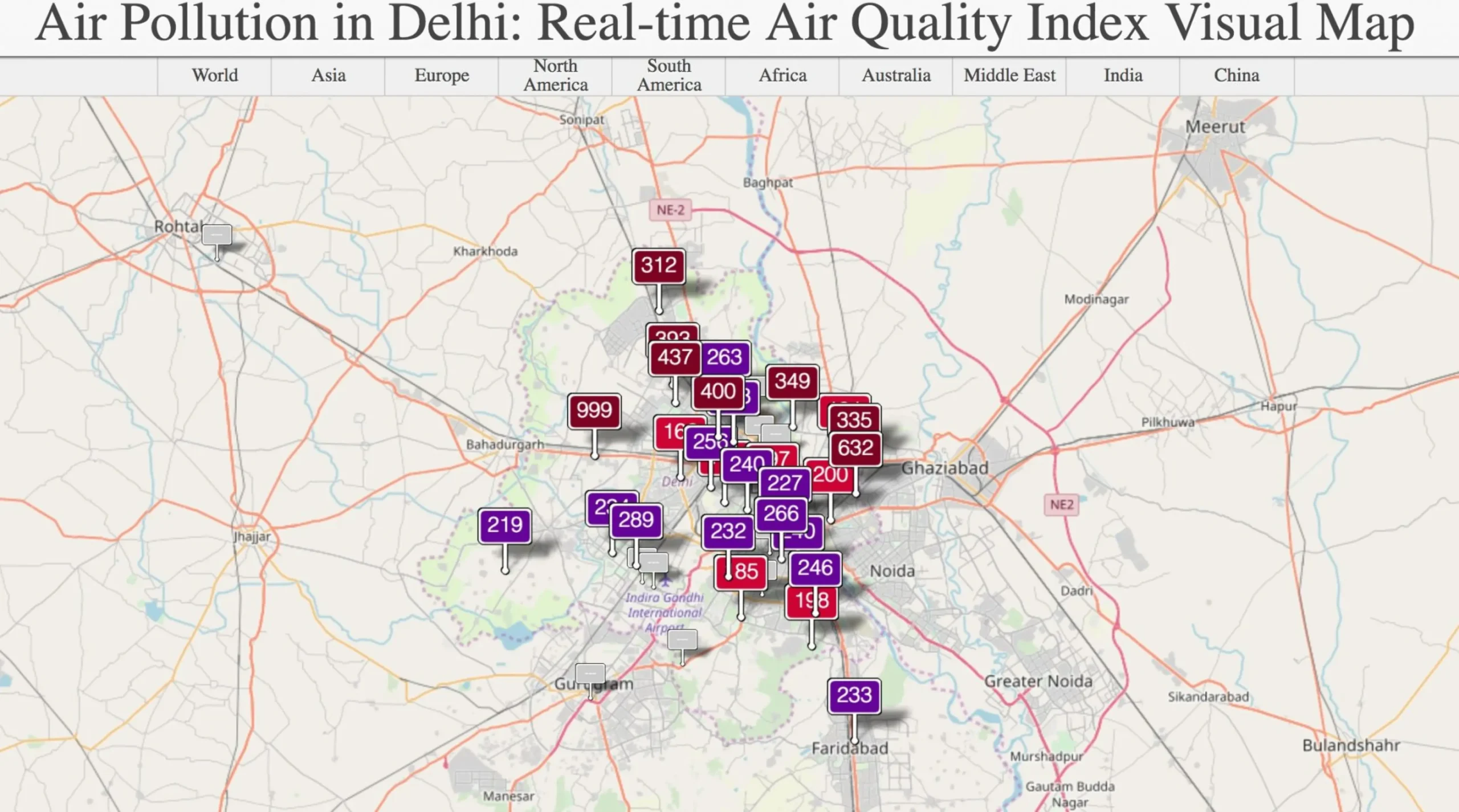
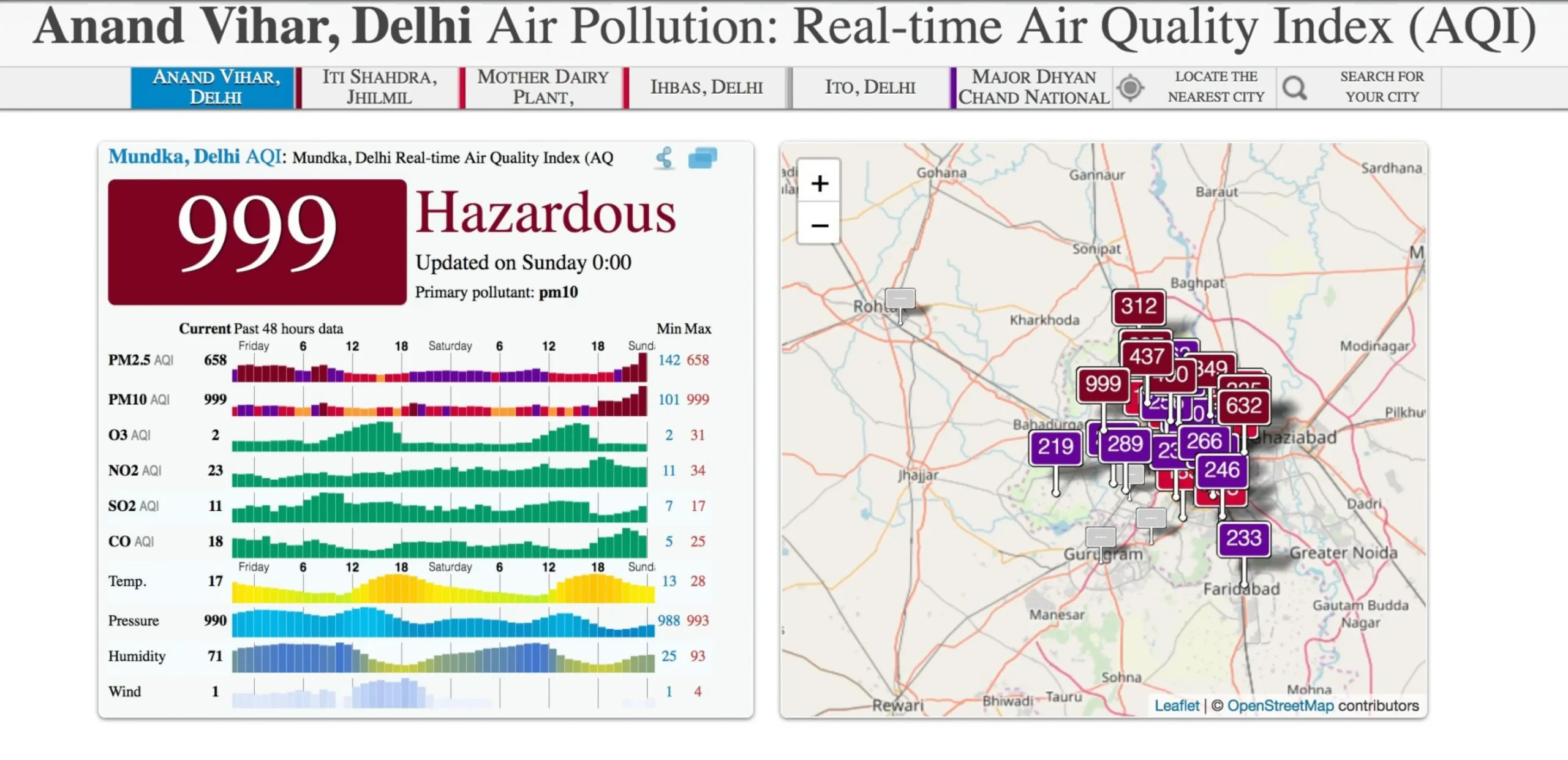
When we look at paddy burning, we ask a simple question why and when did it start? Why is it prevalent in North India, mainly Punjab and Haryana, but not in other states? Studies gives us two important pointers.
Level of Farm Mechanization: We looked at the level of farm mechanization in India.
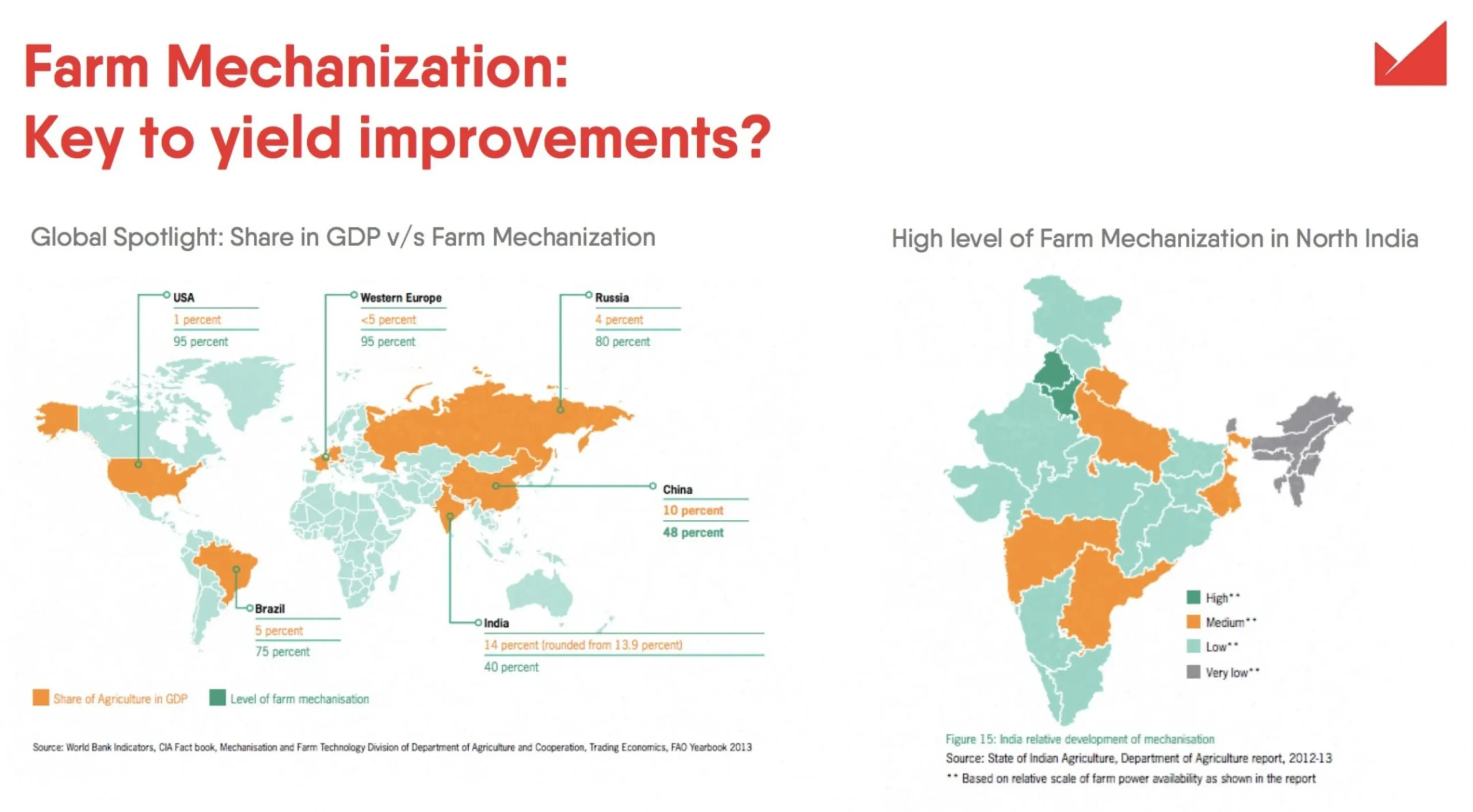
Punjab and Haryana have the highest level of farm mechanization among all Indian state. Combine Harvester sales have grown exponentially from 2500 units in 2009, to 12380 in 2010 and 54,230 in 2011.
So how does it affect us? Paddy, when harvested by hand, is cut close to the ground. However, decreasing labour supply, increasing wages and factors like subsidies have led to higher harvester sales. Combine harvesters, while faster than human labour, leave more crop residue. There are better machines but their usage is low.
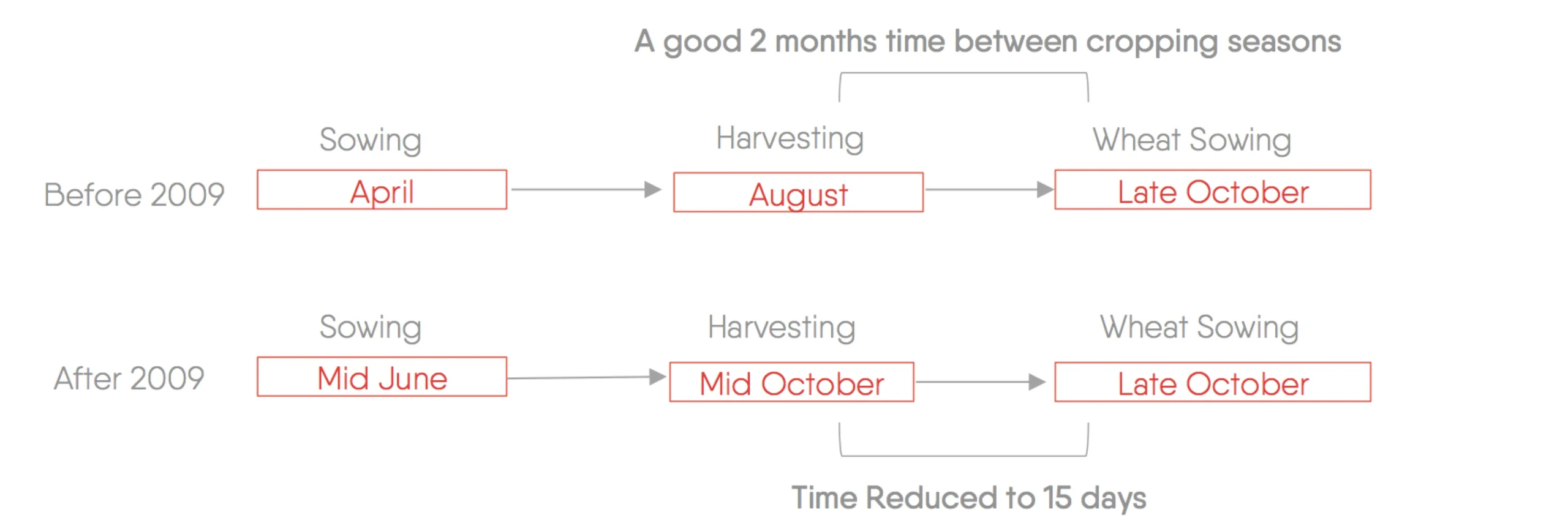
An unintentional affect of a Government Policy: Paddy has a cultivation period of 120 days between sowing and harvesting. Before 2009, the farmers used to sow Paddy in April, and harvest in August. The next crop cycle is of Wheat. Sowing of Wheat starts towards end of October. Any delays into November has a steep negative impact on the yield. Till 2009, farmers had a good 2 months time (August to October) between the two cropping seasons. So what changed?
Punjab Preservation of Subsoil Water Act was passed in 2009. According to this Act, farmers can no longer sow rice in April, but have to wait until the middle of June (the notified dates) to do so. Haryana too has followed Punjab, and passed a similar law. So the paddy sowing and harvesting cycle has been artificially shifted by about 2 months. Since 2009, farmers have only 15 days to ready their land for wheat sowing.
Solving a problem requires two things.
1. Awareness that a problem exists, and
2. Knowledge of the root causes of the problem.
We believe that creating an awareness about pollution and its root causes is important. If the primary sources of year-long pollution remain unsolved, we have the risk of only targeting the sources that are temporary in nature like Paddy (only 15 days a year), and our cities will still be having higher levels of pollution throughout the rest of the year. So, how can you help? For the start, one small but impactful action you can take is to Share this Insight with your network using one of the icons alongside. The more people are aware about the real causes of pollution and their nature and magnitude, the better chances of right actions being taken. So, go ahead and share.
– MEF Research
At Massive Earth Foundation, we engage with experts, scientists, startups and policy makers, and implementation agencies on issues that are plaguing the country in areas of Energy, Mobility, Agriculture, Sustainability, Built Environment and Air, Water, Waste. We invite you to join us for your opinions and insights on our upcoming research into the said areas. For early access to Research Reports, and to take part in our Research, please join the Knowledge Circle.